
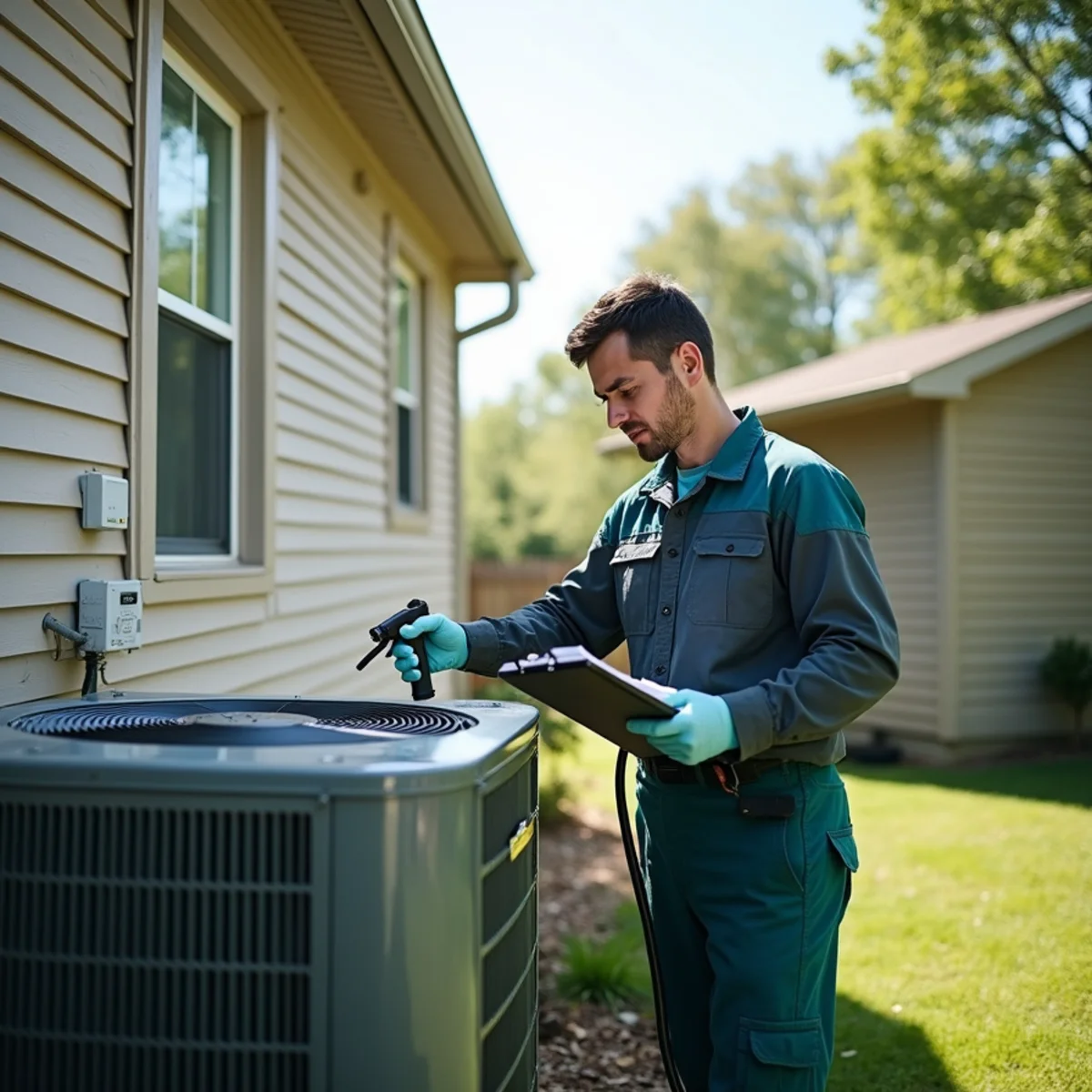
The systems that fail on the hottest or coldest day are almost always the ones that went years without a tune-up. Regular maintenance is the cheapest way to avoid an emergency, extend the life of your equipment, and keep your energy bills from creeping up. In our climate, with hard-working summers and ice-storm winters, that upkeep matters even more.
Our maintenance visits are thorough, not a quick filter swap. We clean, test, and measure the parts that actually cause breakdowns, so we can catch a weak capacitor or a dirty flame sensor before it leaves you without heat or cooling. Members get priority scheduling when the busy seasons hit.
Signs Your System Is Overdue for a Tune-Up
- It has been more than a year since your last service
- Energy bills higher than the same time last year
- Weak airflow or uneven temperatures between rooms
- The system takes longer than it used to to heat or cool
- Musty odors or more dust than usual from the vents
- Short cycling or unusual noises during startup
What a Real Tune-Up Includes
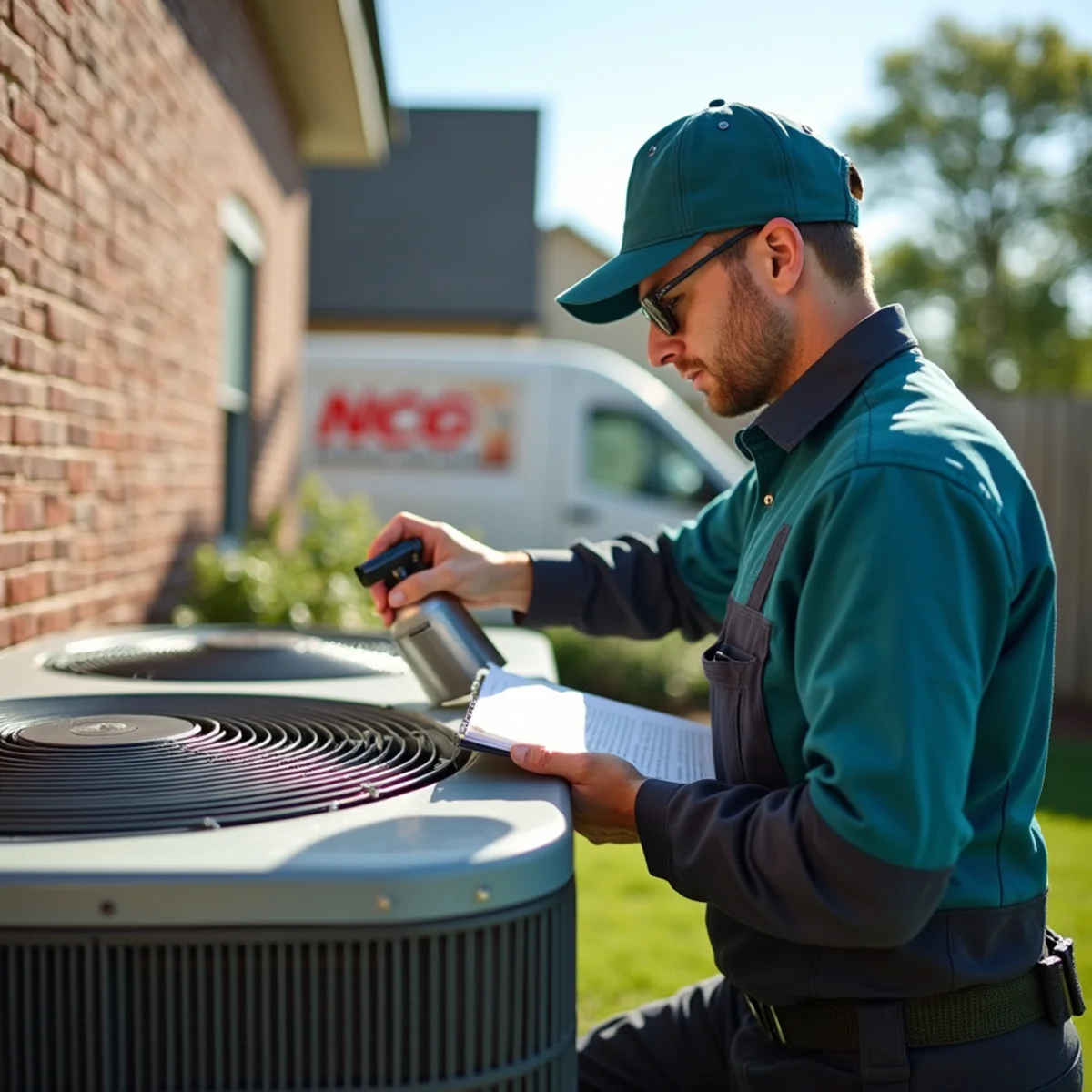
A proper maintenance visit checks performance and safety, not just the obvious. We measure the numbers that reveal a system starting to struggle so problems get fixed on your schedule instead of on the worst day of the year.
The difference between a real tune-up and a quick filter swap shows up in the measurements. We record electrical readings, refrigerant pressures, and temperature splits and compare them against where they should be, so a capacitor drifting weak or a charge slowly leaking down gets flagged while it is still cheap to address. That record also builds a history of your system, which makes any future diagnosis faster and more accurate.
- Inspect and test capacitors, contactors, and motors
- Clean condenser and evaporator coils
- Check refrigerant charge and airflow
- Test furnace ignition, flame sensor, and safety controls
- Replace or recommend the right MERV filter
- Clear the condensate drain to prevent water backups
How Maintenance Protects Your Warranty and Extends Equipment Life
Most manufacturers require documented annual maintenance to keep the parts warranty valid. Skip it, and a compressor or heat exchanger failure that should have been covered can land entirely on you. Our written service reports give you the paper trail that keeps that coverage in force.
Beyond the warranty, maintenance is what buys you the back half of your equipment's life. A system that is kept clean, correctly charged, and electrically sound routinely reaches 15 years and beyond, while a neglected one is often worn out years early by strain the owner never saw. A weak capacitor tested and replaced on your schedule for a small cost is a no-cool call you never have to make in July.
How Our Maintenance Plan Process Works
We build maintenance around the two seasons that matter here, so your AC is ready before summer and your heat is ready before winter.
Timing is the whole point. A spring visit gets the cooling side cleaned, charged, and tested before the first humid heat wave loads it up, and a fall visit gets the heating side inspected and safety-checked before the first hard cold snap. Booking ahead of those seasonal rushes means your equipment is verified while it is idle, not diagnosed after it has already quit on the hottest or coldest day of the year.
- Spring visit to prep cooling before the first heat wave
- Fall visit to prep heating before the first cold snap
- Priority scheduling for members during peak demand
- A written report of what we checked and measured
- Honest recommendations, never pressure to replace
What Affects the Cost of Maintenance
Maintenance is far less expensive than the repairs it prevents. Cost depends mainly on the number of systems you have and whether you choose a single visit or a two-visit annual plan. A plan spreads the cost and usually includes member perks like priority service and discounts on any repairs.
The bigger financial picture is what maintenance saves. A clean, correctly charged system uses less energy, and catching a small fault early can avoid a diagnostic call, which runs $70 to $180 in Kentucky as a non-binding benchmark, plus the cost of a failed part.
Filters, Airflow, and the Indoor Air You Breathe
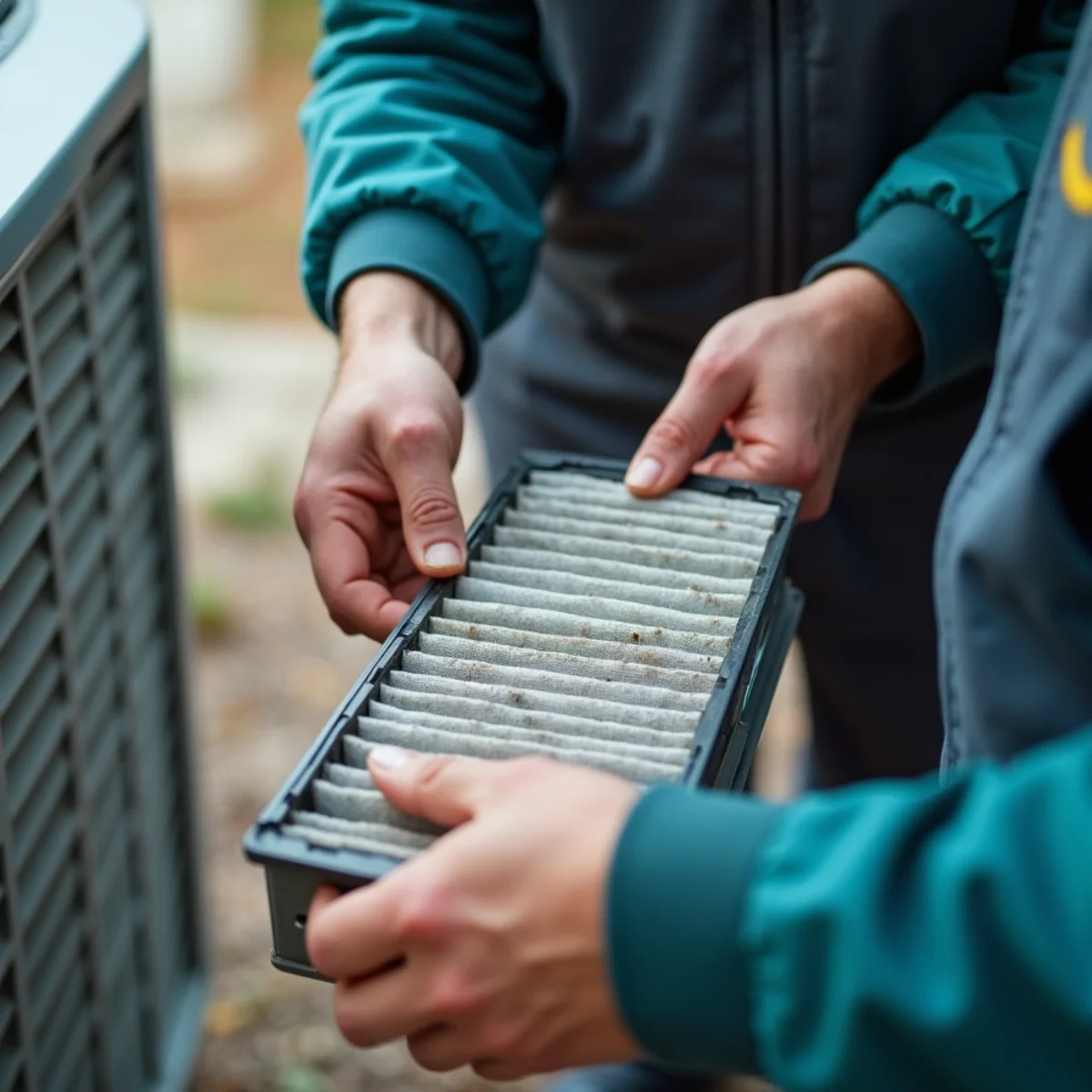
The filter is the cheapest part of your system and the one most likely to cause trouble when it is ignored. A clogged filter starves the blower for air, which freezes coils in summer and overheats furnaces in winter. During a tune-up we match the filter to your system, because a MERV rating that is too high for your equipment restricts airflow as badly as a dirty one does.
For most Somerset homes a MERV 8 to 13 filter captures dust, pollen, and mold spores without choking the system. That balance matters more here than in a drier climate. Our humid summers and damp crawlspaces near Lake Cumberland encourage mold and keep indoor humidity high, so proper filtration paired with a system that actually dehumidifies to the 30 to 50 percent range makes a real difference in how the air feels and smells.
Why Maintenance Matters in Pulaski County
Our humid summers push coils and condensate drains hard, and the moisture near Lake Cumberland makes clean coils and proper drainage especially important. A neglected drain or dirty coil is a common cause of mid-summer breakdowns and indoor humidity problems.
Winter brings its own test. Ice storms and cold snaps find any weakness in a heating system, and for propane homes a clean, well-tuned furnace also stretches your fuel further. A fall tune-up is cheap insurance against a no-heat call on the coldest night.
Ready for Maintenance in Somerset?
Talk to a real local technician — not a call center. Honest, upfront pricing and financing on new systems. We answer 24/7 for heating and cooling emergencies.
- Free estimates on new systems
- Same-day service in Pulaski County
- Licensed, bonded & insured
- 4.9★ from 168+ reviews
Why Homeowners Trust Us
Why Choose HVAC Somerset KY for Maintenance
When you call HVAC Somerset KY for maintenance in Somerset, you get a licensed local team — not a franchise or a call center.
4.9★ from 168+ reviews
Neighbors across Pulaski County rate us 4.9 stars for fast, honest work — the kind of local reputation you can only earn one job at a time.
15+ years serving Pulaski County
We have spent 15 years working on Somerset-area systems, from in-town furnaces to off-grid propane and dual-fuel setups out in the county.
Licensed, insured & EPA-certified
We are a licensed, bonded, and insured Kentucky HVAC contractor, and our technicians hold EPA Section 608 certification for safe refrigerant work.
Same-day & 24/7 emergency service
Same-day service across Pulaski County — 24/7 emergency dispatch, nights, weekends & holidays.
Upfront pricing, no surprises
You get a written diagnosis and line-item pricing before we touch a wrench — plus honest repair-versus-replace advice instead of a sales pitch.
Questions & Answers
Maintenance FAQs
Twice a year is ideal in our climate: a spring visit for cooling and a fall visit for heating. That schedule prepares your system for both our humid summers and our ice-storm winters, and it keeps manufacturer warranties valid.
Yes. Clean coils, correct refrigerant charge, and proper airflow let your system do the same work with less energy. In our humid summers a well-maintained AC also dehumidifies better, so you stay comfortable at a higher, cheaper thermostat setting.
For most Somerset homes a MERV 8 to 13 filter balances air quality with airflow. Too high a MERV in the wrong system can restrict airflow and cause problems, so we recommend the right rating for your specific equipment during a tune-up.
It does. Members get priority scheduling during peak summer and winter demand, when call volume is highest. That means if something does go wrong during a heat wave or ice storm, you move to the front of the line.
Schedule the cooling tune-up in spring before the first humid heat wave, and the heating tune-up in fall before the first cold snap. Booking ahead of those seasonal rushes means your system is checked before it is under stress, not after it has already failed on the hottest or coldest day.
Yes, and arguably more than for a gas-main home. A clean, correctly tuned propane furnace burns fuel more completely, so a tune-up stretches every tank you pay to fill. For rural Pulaski County homes, that fuel saving across a Kentucky winter often covers much of the cost of the visit.
It can. Most manufacturers require documented annual maintenance to keep the parts warranty in force, so a compressor or heat exchanger failure that should have been covered can land entirely on you when there is no service record. Our written reports give you that paper trail, which is one of the quietest but most valuable reasons a maintenance plan pays for itself.
Related Services