
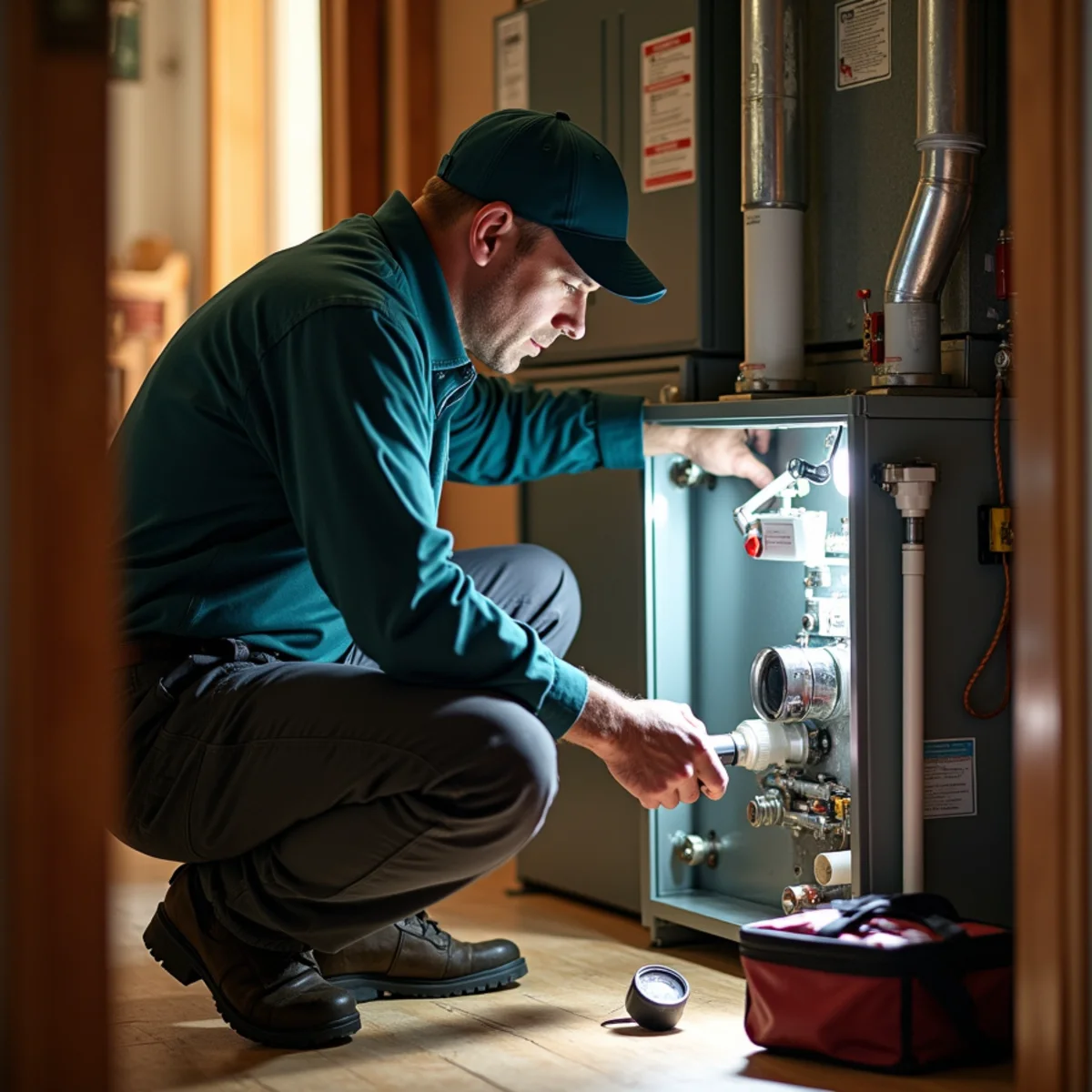
A furnace that quits during a Somerset cold snap is more than an inconvenience when overnight lows drop into the mid-20s. Our technicians repair gas, propane, and electric furnaces, and because so many Pulaski County homes run on propane rather than a gas main, we are just as fluent with those systems as with anything else. When your heat goes out we get it back on quickly and safely.
Furnace problems often involve combustion and safety controls, so this is not the place for guesswork. We diagnose the actual fault, check the heat exchanger and safety switches, and make sure the repair leaves your system running clean. Your family's safety and comfort both ride on getting it right.
Signs You Need Furnace Repair in Somerset
- The furnace blows cold air or will not ignite
- Short cycling that turns the burner on and off repeatedly
- Banging, rumbling, or squealing when the unit runs
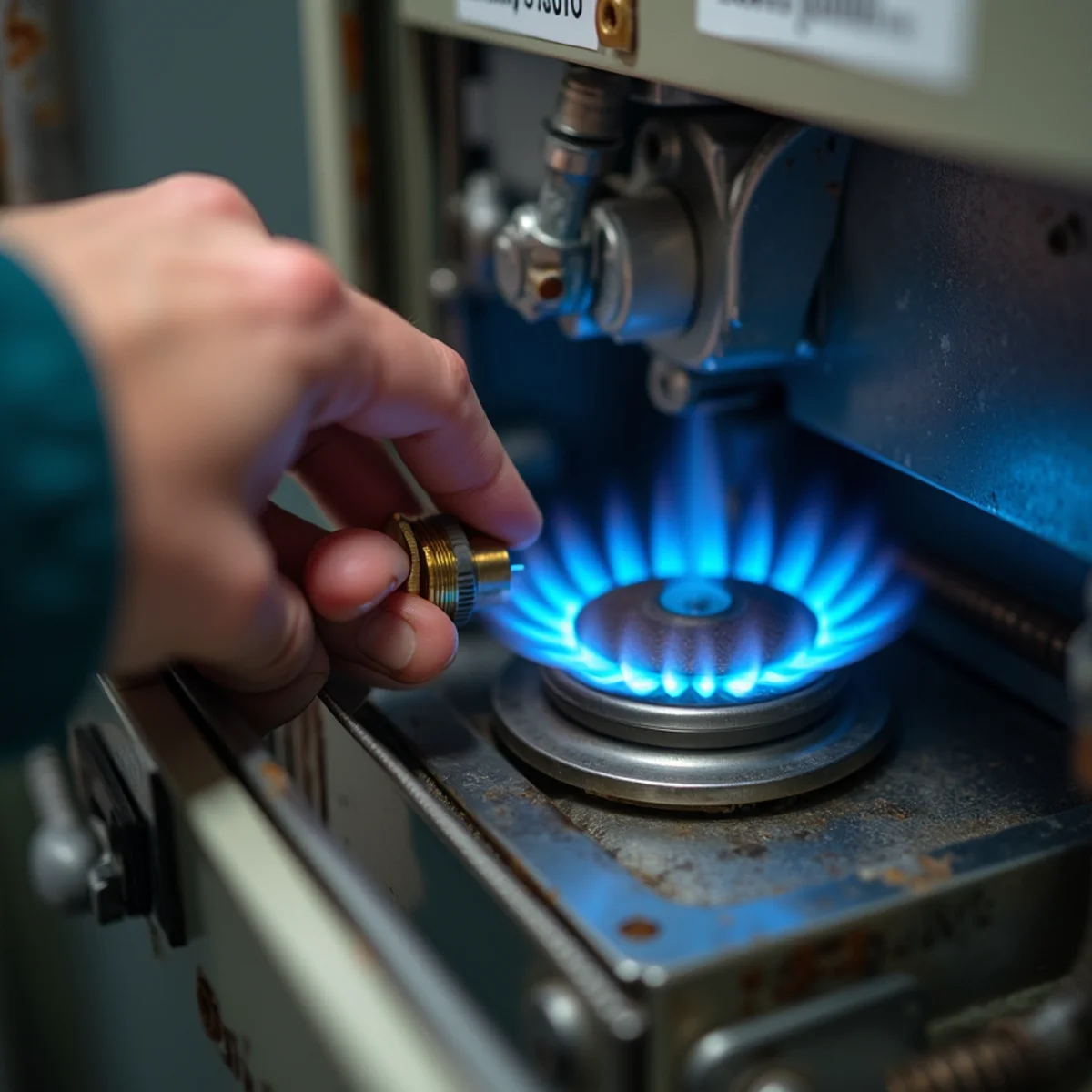
- A yellow or flickering burner flame instead of steady blue
- The blower runs constantly or not at all
- A burning or gas-like smell when heat kicks on
Common Furnace Failures We Repair
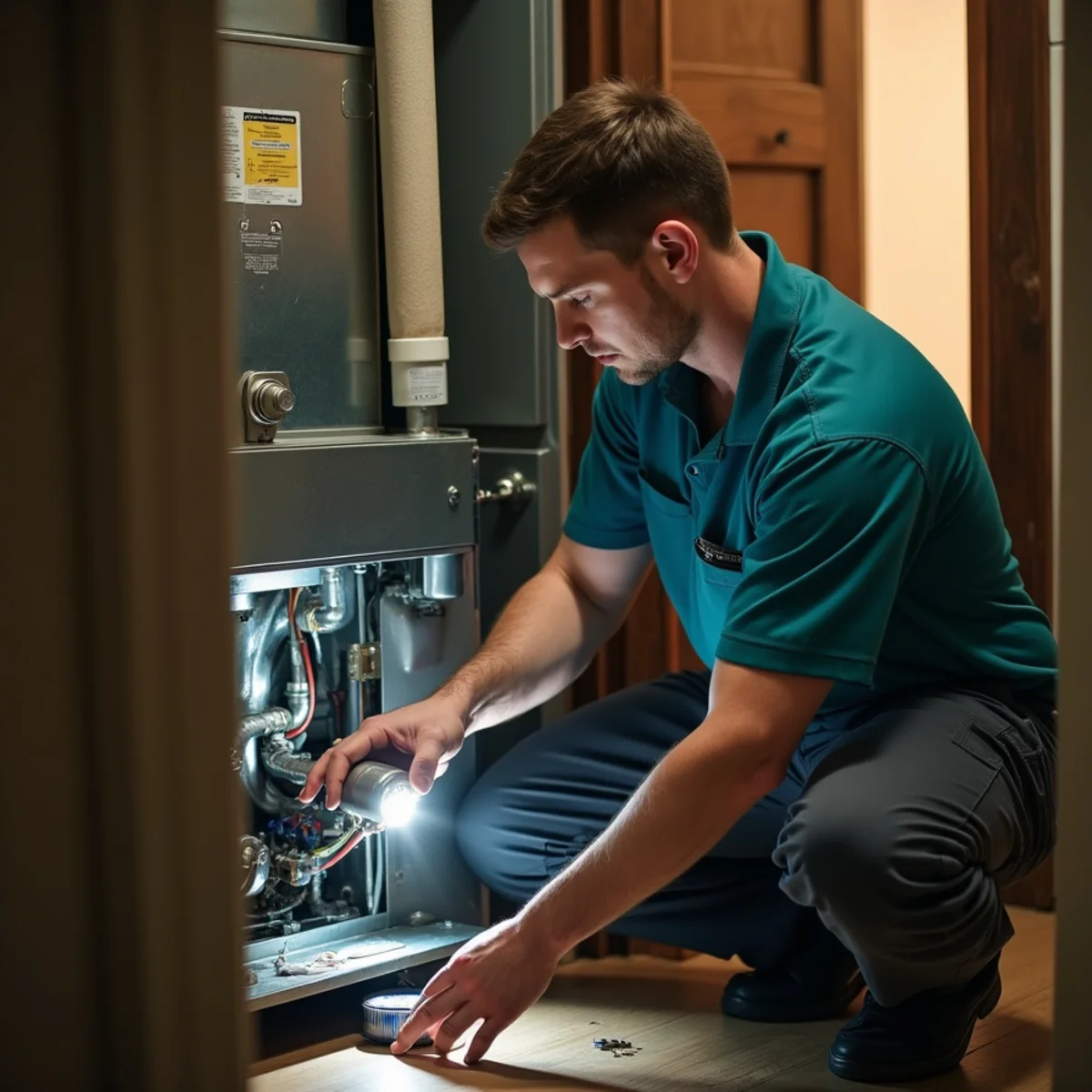
Most no-heat calls come down to ignition, airflow, or a safety control doing its job. Our trucks carry the parts to fix the common failures on the first visit so you are not left in the cold waiting for a part.
It helps to understand that a furnace refusing to run is often a safety control working exactly as designed. A tripped limit switch, a pressure switch that will not close, or a flame sensor that shuts the burner down are the system protecting you from a real problem like overheating or a venting fault. The fix is to find and correct what tripped the control, not to bypass it, and that distinction is where an experienced technician earns their keep.
- Failed igniters and flame sensors
- Bad gas valves and pressure switches
- Cracked or dirty heat exchangers
- Blower motor and capacitor failures
- Clogged flame sensors causing short cycling
- Faulty thermostats and control boards
What's Included in a Furnace Repair Visit
Because a furnace burns fuel inside your home, our repair visit is built around safety as much as heat. We do not just get the burners lit and leave. We inspect the heat exchanger for cracks, confirm the flue is drawing properly, verify the gas or propane pressure, and test every safety switch that is supposed to shut the unit down if something is wrong.
On propane and dual-fuel systems we check the components those setups depend on that a standard gas furnace does not have. You leave the visit knowing the furnace is not only warming the house again but doing it cleanly and safely.
- Heat exchanger inspected for cracks and corrosion
- Igniter, flame sensor, and gas valve tested
- Gas or propane manifold pressure verified
- Flue draft and venting checked for safe combustion
- All safety limits and pressure switches confirmed working
- Blower amp draw and airflow checked
How Our Furnace Repair Process Works
Because heating problems often touch combustion and safety, we work methodically. You get a clear explanation and a firm price before we begin.
- Fast scheduling with 24/7 emergency slots for no-heat calls
- A full safety inspection, including the heat exchanger and flue
- A plain-language explanation of the fault and upfront pricing
- The repair completed on the spot when parts are on the truck
- A final test of ignition, airflow, and safety shutoffs
What Affects the Cost of Furnace Repair
The failed component drives most of the cost. An igniter or flame sensor is a modest repair, while a gas valve, control board, or heat exchanger is a larger one. As a non-binding Kentucky benchmark, a diagnostic visit typically runs $70 to $180, and that fee often applies toward the repair.
Fuel type and system age factor in too. Propane and dual-fuel systems have their own components, and a very old furnace with a failing heat exchanger is often safer and cheaper to replace than to keep patching. We always tell you honestly when repair no longer makes financial sense.
The Heat Exchanger, Carbon Monoxide, and Why Some Repairs Are Non-Negotiable
The heat exchanger is the metal barrier that keeps combustion gases separated from the air you breathe. When it cracks, it can leak carbon monoxide into the home, and no repair patches a cracked heat exchanger safely. This is the one furnace problem where we will red-tag the unit and recommend replacement rather than keep it running, because your family's safety is not a place to cut corners.
This is exactly why we inspect the heat exchanger on every furnace call, even when you called about something else. A working carbon monoxide detector on each level of the home is cheap insurance, and we will tell you plainly if we see a reason for concern. Most furnace repairs are routine and affordable, but the few that involve combustion safety get treated with the seriousness they deserve.
Heating That Holds Up on the Cumberland Plateau
Winter here brings ice storms and cold snaps that push heating systems hard, and a furnace that was neglected all year tends to fail on the coldest night. Ice storms can also knock out power across the plateau, so we help homeowners understand how their system behaves during and after an outage.
For the many rural homes off the natural-gas grid, propane and dual-fuel setups are the norm, and we keep those running reliably through the worst of Kentucky winter. When the cold really settles in, you want a company that already knows systems like yours.
Ready for Furnace Repair in Somerset?
Talk to a real local technician — not a call center. Honest, upfront pricing and financing on new systems. We answer 24/7 for heating and cooling emergencies.
- Free estimates on new systems
- Same-day service in Pulaski County
- Licensed, bonded & insured
- 4.9★ from 168+ reviews
Why Homeowners Trust Us
Why Choose HVAC Somerset KY for Furnace Repair
When you call HVAC Somerset KY for furnace repair in Somerset, you get a licensed local team — not a franchise or a call center.
4.9★ from 168+ reviews
Neighbors across Pulaski County rate us 4.9 stars for fast, honest work — the kind of local reputation you can only earn one job at a time.
15+ years serving Pulaski County
We have spent 15 years working on Somerset-area systems, from in-town furnaces to off-grid propane and dual-fuel setups out in the county.
Licensed, insured & EPA-certified
We are a licensed, bonded, and insured Kentucky HVAC contractor, and our technicians hold EPA Section 608 certification for safe refrigerant work.
Same-day & 24/7 emergency service
Same-day service across Pulaski County — 24/7 emergency dispatch, nights, weekends & holidays.
Upfront pricing, no surprises
You get a written diagnosis and line-item pricing before we touch a wrench — plus honest repair-versus-replace advice instead of a sales pitch.
Questions & Answers
Furnace Repair FAQs
Yes. A large share of Pulaski County homes run on propane, and we service propane furnaces every day. We check the gas valve, igniter, pressure switch, and safety controls to get your heat back safely.
We do. No-heat calls during a Somerset cold snap or ice storm are exactly what our 24/7 emergency line is for. Losing heat when lows hit the mid-20s is a real risk, so we prioritize those calls.
Short cycling is often a dirty flame sensor, a blocked flue, or an overheating limit switch doing its job. We diagnose the root cause rather than just resetting it, because repeated short cycling can point to a safety issue worth taking seriously.
If your furnace is over 15 years old, has a cracked heat exchanger, or needs a costly part, replacement often makes more sense. We lay out repair cost against a new high-efficiency system, including AFUE ratings and any rebates, so you can decide with real numbers.
Ice-storm outages on the Cumberland Plateau can trip a furnace's safety lockout or, with a surge, damage the control board. Sometimes a proper reset brings it back; sometimes a component was hit. We diagnose which it is rather than repeatedly cycling the power, which can mask a real fault.
Yes. Since a large share of Pulaski County homes are off the gas grid and run propane, we stock the igniters, flame sensors, and pressure switches those systems use. That is why most propane no-heat calls in Somerset get fixed on the first visit instead of waiting on a part.
In the fall, before the first hard cold snap settles onto the Cumberland Plateau. Almost every no-heat call we run happens on the coldest night, from a worn igniter or a crusted flame sensor that a fall tune-up would have caught while the furnace sat idle. For propane homes off the gas grid, that check also confirms you are not wasting fuel you paid for by running an inefficient burner all winter.
Related Services