
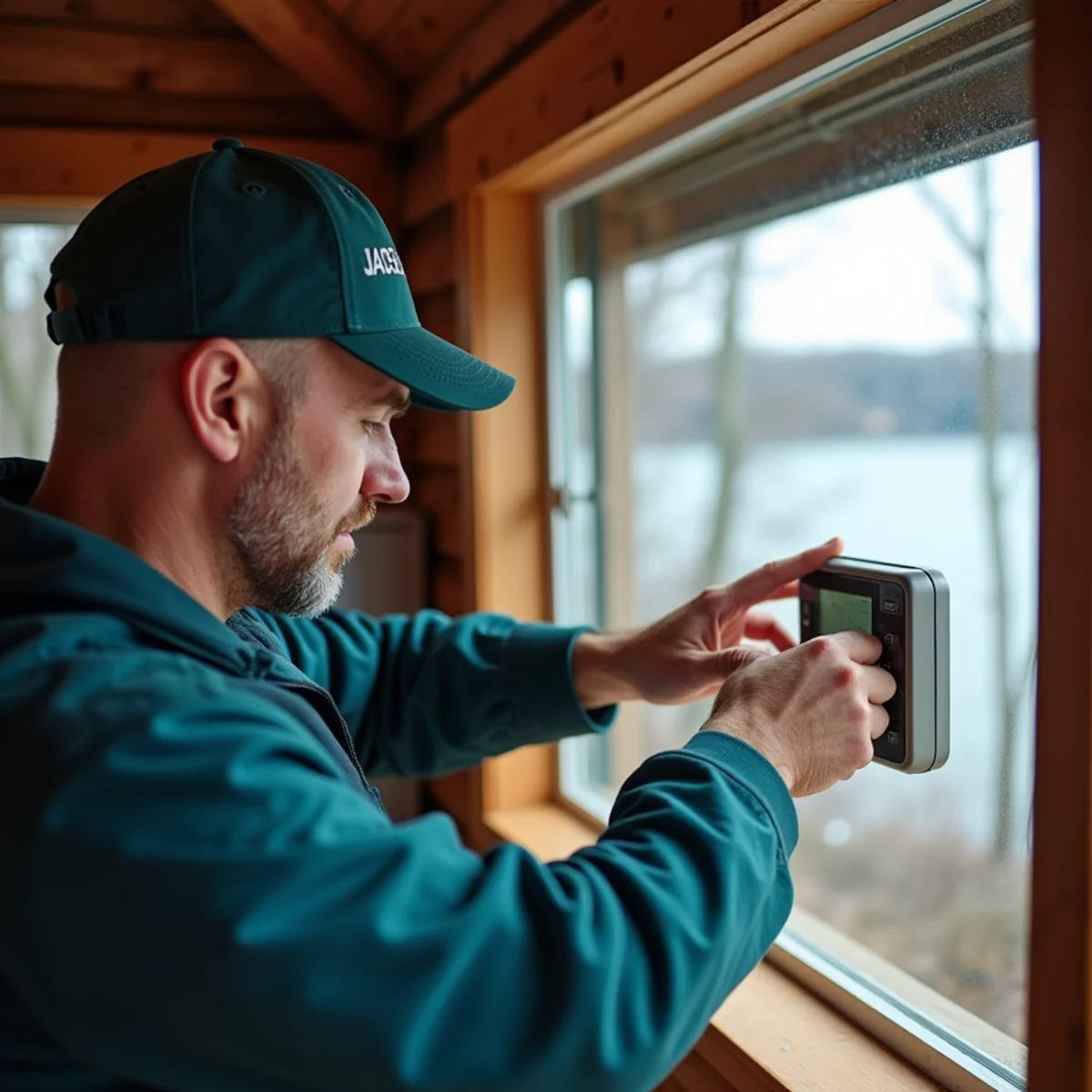
Before you close up your Lake Cumberland cabin for the season, these HVAC steps protect it from cold-weather damage while you're away.
Don't Just Lock Up and Leave
The safest way to close a cabin for winter, for most owners, is to leave the heat set low, around 55 degrees, rather than shut it off. That keeps pipes from freezing and controls indoor humidity. Only shut the heat off entirely if you fully winterize the plumbing first, draining the lines and adding antifreeze. Then change the filter, confirm smoke and CO detectors have fresh batteries, and clear the outdoor unit.
If you own a seasonal cabin or second home around Lake Cumberland, closing it up takes more than turning the key. A cabin left unattended through a Kentucky winter, and our winters swing through freeze-thaw cycles and the occasional ice storm, faces frozen pipes, moisture damage, and HVAC problems you will not discover until spring, when the bill is much bigger.
The right approach depends on whether you are leaving the cabin completely unheated or keeping it barely warm. Either way, a few key steps make a real difference in what you come back to.
Set Your System the Smart Way
The biggest decision is whether to keep the heat on low or shut it off entirely. For most cabins with plumbing, keeping the heat set to a low temperature, around 55 degrees, is the safer choice, it keeps pipes from freezing and controls indoor humidity. A programmable or smart thermostat lets you monitor and adjust it remotely, which is a great feature for an absent owner.
If you shut the heat off completely, you must fully winterize the plumbing, draining the system and adding antifreeze, or you risk burst pipes and catastrophic water damage. That is a bigger project and often worth having done professionally. For most owners, the low-heat approach is simpler and safer.
- Keep heat at about 55 degrees to protect pipes and control humidity.
- Use a smart thermostat to monitor the cabin remotely.
- If shutting off heat entirely, fully winterize the plumbing first.
- Replace the air filter so the system runs clean while you are away.
- Make sure carbon monoxide and smoke detectors have fresh batteries.
Protecting the Equipment and Air Quality
Beyond the thermostat, take care of the equipment itself. Change the filter before you leave so the system is not running through a dirty one for months. If you have a heat pump keeping the cabin warm, make sure the outdoor unit is clear of debris and positioned to shed snow and ice. Trim any branches that could fall on it under an ice load.
Humidity control matters even in an empty cabin, our climate can leave a closed-up home damp enough to grow mold over a long winter. Keeping a little heat on helps, and a ductless mini-split is an excellent option for cabins, letting you efficiently keep just the space warm enough to stay protected. Consider whether your cabin would benefit from one.
If a Heat Pump Is Holding the Cabin
Many lake cabins run heat pumps or mini-splits, and there is a wrinkle to leaving one running unattended through winter. A heat pump periodically runs a defrost cycle to melt frost off its outdoor coil, and for that to work the unit needs clear airflow and good drainage underneath, or meltwater can refreeze into a block of ice at the base. Before you leave, clear leaves and debris from around the outdoor unit and make sure it is not sitting where roof runoff or snowmelt pools against it.
In a deep cold snap a heat pump also leans on its backup or auxiliary heat, so confirm that is working before you go, an unnoticed failed defrost board or a tripped backup element could quietly let the cabin drop below freezing while you are hundreds of miles away. This is exactly the kind of thing a pre-season check catches.
Moisture and Remote Monitoring
A closed-up cabin is a mold risk even in winter. With no one running exhaust fans or opening doors, humidity can climb, and our damp climate does the rest, aim to keep indoor relative humidity roughly in the 30 to 50 percent range. Keeping a little heat on helps hold moisture down, and a ductless mini-split is an excellent, efficient way to keep just enough warmth in the space to stay protected.
A Wi-Fi thermostat earns its keep here. It lets you watch the cabin's temperature from home and alerts you if it drops, so a heating failure becomes a phone notification instead of a spring surprise of burst pipes. Some owners add a simple remote temperature or leak sensor as a backup. For a property you cannot check in person, that early warning is worth far more than it costs.
A Pre-Winter Check Pays Off
Before you close up, it is worth having the system checked so you are not relying on equipment that might fail while you are gone. A quick HVAC maintenance visit confirms the heat will hold through the winter and catches any issue that could leave the cabin unprotected. Coming back in spring to a warm, dry, undamaged cabin is worth the small investment.
We help cabin and second-home owners across the lake region, including out toward Burnside and up around Russell Springs, winterize their properties and keep them protected through the cold months, whether you visit occasionally over winter or not at all until spring.
Winterize With Confidence
Do not leave your cabin's fate to chance over a long Kentucky winter. Call HVAC Somerset KY at +1 (327) 210-5999 for a pre-winter check and advice on the best way to set up your seasonal property. We are a local family business that knows lake-country cabins, and we will help you protect your investment so you come back in spring to exactly the cabin you left, warm, dry, and ready to enjoy.
Quick Answers
Frequently Asked
Usually not, unless you fully winterize the plumbing. Keeping heat at about 55 degrees protects pipes from freezing and controls humidity. Shutting it off entirely requires draining and treating the plumbing to avoid burst pipes.
Around 55 degrees is a common safe setting, warm enough to protect pipes and limit moisture without wasting energy. A smart thermostat lets you monitor and adjust it remotely while you are away.
Yes, very. A ductless mini-split efficiently keeps a cabin warm enough to stay protected and provides cooling in summer, all without ductwork. It is a great fit for lake cabins, call +1 (327) 210-5999 to learn more.
Mainly make sure it can defrost properly. Clear debris from around the outdoor unit so meltwater drains instead of freezing at the base, and confirm the backup heat works before you leave. A pre-season check verifies the defrost system so a failure does not quietly let the cabin freeze.
A Wi-Fi thermostat lets you monitor the temperature remotely and alerts you if it drops, turning a heating failure into a phone notification instead of a spring surprise. Pairing it with a remote temperature or leak sensor adds a cheap layer of backup protection.
Need a hand from a real Somerset tech?
Same-day service across Pulaski County — 24/7 emergency dispatch, nights, weekends & holidays.
Related Services
How We Can Help
Serving


